Handbag design has seen so many changes over the years, reflecting everything from cultural shifts to the latest fashion trends. One big trend has been the move towards sustainability. As more people prioritize eco-friendly choices, designers are using recycled materials and ethical production methods. This shift isn't just a trend; it shows how we’re becoming more conscious about our impact on the planet.
Another major influence on handbag design is technology. Smart bags, with built-in chargers or Bluetooth capabilities, are popping up everywhere. These bags are all about convenience, merging style with functionality. It’s exciting to see how tech is making its way into the world of fashion, offering features that make life just a bit easier.
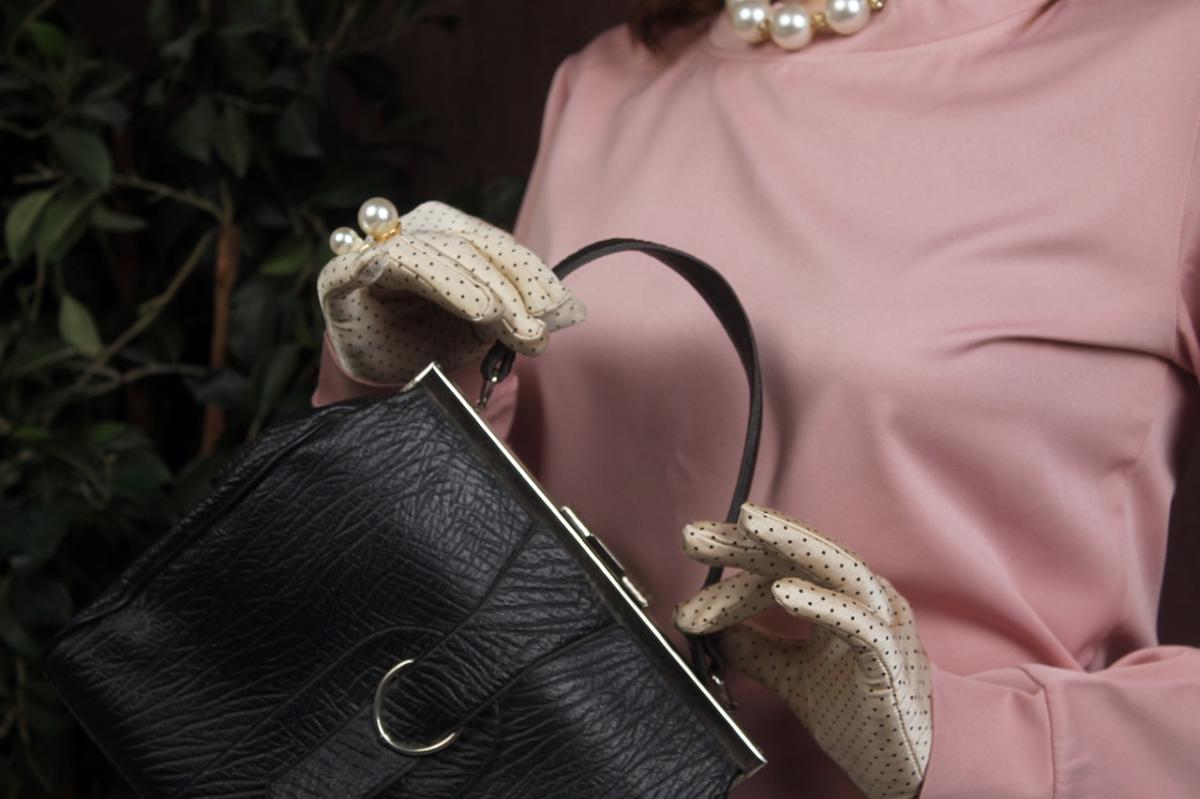
Then there's the resurgence of vintage styles. Designers are digging into the past, reviving iconic shapes and patterns that once dominated the scene. This nostalgic approach connects us to different eras while still keeping things fresh and modern. It’s all about blending the old with the new, giving our wardrobes a unique twist.
And let’s not forget about personalization. Many brands are now offering customization options, allowing you to add your initials or choose colors that suit your style. This trend makes handbags more than just an accessory; they become a reflection of who you are. The connection we feel to personalized items is strong, and it shows in the way we shop.
Iconic Handbags Through the Decades
Handbags have always been more than just a way to carry your stuff. They've been a status symbol, a fashion statement, and a reflection of the times. Let’s take a stroll through some iconic handbags that shaped fashion trends over the decades.
In the 1920s, the Chanel 2.55 took the world by storm. Designed by Coco Chanel herself, this bag introduced the idea of luxury in a convenient format. With its quilted leather and chain-strapped design, it changed how women viewed handbags. It was all about style and ease, and it quickly became a favorite among fashionistas.
The 1970s brought us the YSL Muse. This bag captured the spirit of the disco era with its slouchy shape and bold colors. It was perfect for carrying everything you needed for a night out dancing. Celebrities and power players alike embraced its oversized design, making it a must-have accessory.
Fast forward to the 1990s, and the Hermès Birkin was all the rage. This bag combined luxury with exclusivity. Waiting lists grew longer, and celebrities flaunted their Birkins everywhere. It’s a timeless piece that continues to hold its value and remains a favorite among those who appreciate high fashion.
Today, the Gucci Dionysus rules the scene. Its unique design features everything from bold animal motifs to classic prints that stand out in the crowd. It's become a go-to bag for anyone looking to make a statement while staying trendy. Each of these bags tells a story, showing how style and culture evolve with time.
Materials That Made a Difference
When it comes to designer handbags, the material used can really set a bag apart. From luxurious leather to trendy canvas, the choice of fabric has evolved so much over the years. Let’s dive into some materials that made a big difference in handbag design.
Leather is the OG material for handbags, and for good reason. It’s durable, timeless, and can be styled in various finishes—think shiny, matte, or suede. Many luxury brands use high-quality leather that ages beautifully. It develops a unique patina over time, making each bag one of a kind.
Canvas has also made waves in the handbag world, especially for casual styles. It’s lightweight, easy to clean, and often comes in fun prints. Brands like Gucci and Louis Vuitton blend durability with style by using coated canvas. This makes their bags perfect for everyday use without sacrificing that designer flair.
Let’s not forget about synthetic materials. These days, many brands are embracing vegan leather and innovative fabrics, which aim to be more sustainable. They offer a stylish option without using animal byproducts, appealing to eco-conscious shoppers who want to look good while feeling good about their choices.
Lastly, exotic skins like crocodile and python have a certain appeal that screams luxury. These materials can elevate a handbag to a real statement piece. While they're not for everyone due to their price point and ethical considerations, they definitely have carved out a niche in the high-fashion world.
The Rise of Sustainable Handbags
In recent years, sustainable handbags have surged in popularity, and it’s easy to see why. More people are becoming conscious of their choices and looking for eco-friendly options that don’t compromise on style. As a result, designers have started prioritizing sustainable materials and ethical manufacturing practices. This trend isn’t just a passing phase; it’s a shift towards creating a better future for fashion.
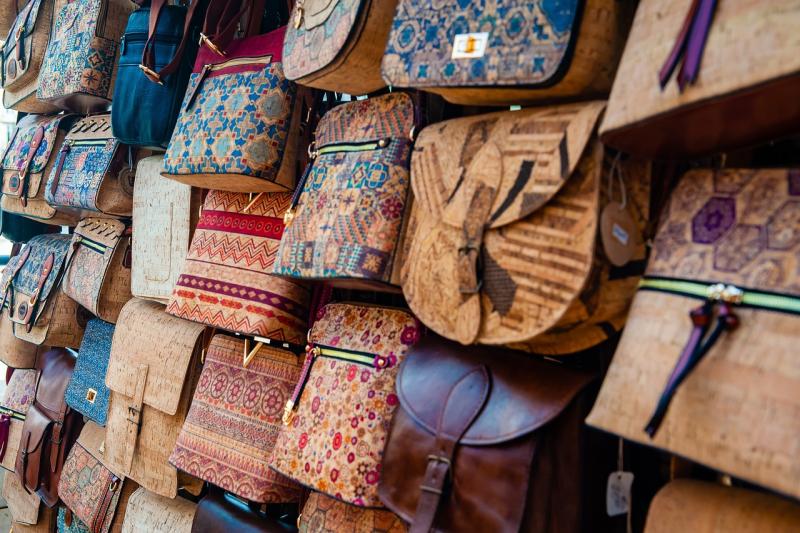
Brands are getting creative with how they source materials. They’re using recycled plastics, organic cotton, and even alternative leathers made from plants. These newer materials offer a fresh take on luxury, combining elegance with sustainability. You can find chic options that feel just as sumptuous as traditional leather but come with a much lighter footprint on Mother Earth.
Another compelling aspect of sustainable handbags is the storytelling behind them. Many designers share their journeys and the inspiration behind their eco-friendly lines. It makes owning these bags feel like being part of a larger movement. When you carry one, you’re not just making a fashion statement; you’re also supporting a cause and showing that you care about the impact your choices have.
Consumers are demanding transparency from brands, pushing them to embrace sustainability. With this growing interest, designers are responding by rethinking their entire approach to creating handbags. The result? A beautiful blend of fashion and responsibility that truly resonates with today’s shopper.